



A 5 wood is one of the easiest fairway woods a new golfer can put in the bag. Not only can a beginner golfer use a 5 wood from the first range session, but its loft also gets the ball up without a fast swing.
The rest of the club is built to forgive, from its low center of gravity to its wide sole, and it covers the long shots in a beginner's bag. Clean contact often matters more than speed for distance, and a few setup basics make it easier.
Why Can a Beginner Golfer Use a 5 Wood So Easily?
The club does much of the work a new swing isn't ready to do yet. A long shot off the grass needs enough launch, center contact, and a clean path through the turf. Experienced players get most of that from speed and technique, while a 5 wood builds much of it into the club itself.
It all comes down to three parts you can check on any 5 wood. The loft, length, and head shape each take on one of those jobs.
The 5 Wood's Loft Does the Lifting
Loft is the angle of the clubface, and more loft sends the ball higher. A 5 wood usually has about 18 to 19 degrees, a few more than a 3 wood, and that's enough to get a ball off the grass at a beginner's swing speed.
That loft keeps working when contact is a little thin, so the ball still climbs instead of running along the ground. The higher flight also brings the ball down at a steeper angle, which helps it stop closer to where it lands.
A Shorter Club Is Easier to Control
A 5 wood is usually about three-quarters of an inch shorter than a 3 wood. That sounds small, but a shorter club is easier to swing on the same path every time.
Every inch of length makes the center of the face harder to find. Center contact is where distance and direction actually come from. A beginner who finds it more often hits better shots, with the same swing.
A Low, Wide Head Sweeps Through the Grass
A 5 wood's head is shallow and wide, with its weight set low. That low weight helps push the ball up, and the wide sole slides along the turf instead of digging into it.
That sole also covers a strike that lands slightly behind the ball. The club skims across the grass and still sends the ball forward, where a thinner iron sole would dig into the turf and lose much of its speed.
What a 5 Wood Does in a Beginner's Bag

A 5 wood sits between the driver and the irons, and it has three main jobs. It's a safer tee shot on a tight hole, a second shot that moves the ball up a par 5, and the club for a long par 3 that your longest iron can't reach. The driver still handles the wide-open tee shots.
If you're building a starter set, the 5 wood is the natural first fairway wood to carry.
It isn't the right club for every long shot, though. Deep rough grabs its big head, and a full swing that can't carry water or a bunker only brings trouble closer. The right time to use a fairway wood mostly comes down to the lie in front of you.
How Far a Beginner Can Expect a 5 Wood to Go
There's no neutral published 5 wood average for beginners, so tour numbers are the clearest reference point. According to TrackMan, PGA Tour players carry a 5 wood 236 yards on average, and LPGA Tour players carry it 189. A beginner will land well short of both, and that's normal.
Beyond swing speed, a beginner's distance depends most on center contact. A straight 5 wood that comes up a little short is worth more than a long one that curves away. The scorecard doesn't care how far the ball went before it found the trees.
How to Set Up for a 5 Wood as a Beginner

A 5 wood rewards a sweeping swing that brushes the ball off the grass. Most of that sweep is decided before you swing, at address:
- Ball position: Set the ball just inside your lead heel. It sits slightly behind your driver position and well forward of a mid-iron.
- Stance: Stand with your feet about shoulder-width apart. It's wide enough for balance and narrow enough to turn.
- Weight: Keep it even between both feet. Leaning back to help the ball up is a common cause of thin shots.
- Clubface: Square the face to your target before you take your grip.
- Swing thought: Sweep, don't dig. The club should move level through the bottom of the swing.
Stop Trying to Lift the Ball
Scooping is the miss to watch with a 5 wood. It means flicking the wrists to lift a ball that sits on the grass.
That flick moves the bottom of the swing, so the club either hits the ground first or catches the top half of the ball. The loft is already built in to get the ball up. Trust it, and brush the grass where the ball was sitting.
What to Look for in a Beginner's 5 Wood

Most 5 woods look alike on a shelf, but they're built for different swings. A few specs actually matter for a beginner:
- Loft: Look for 18 to 19 degrees. Anything closer to 15 starts to play like a 3 wood.
- Shaft flex: Most beginners do better with a regular or senior flex. A shaft flex that's too stiff for your speed launches the ball lower and can leave the face open at impact.
- Head design: A low center of gravity and a face that holds ball speed on off-center hits make the misses less costly.
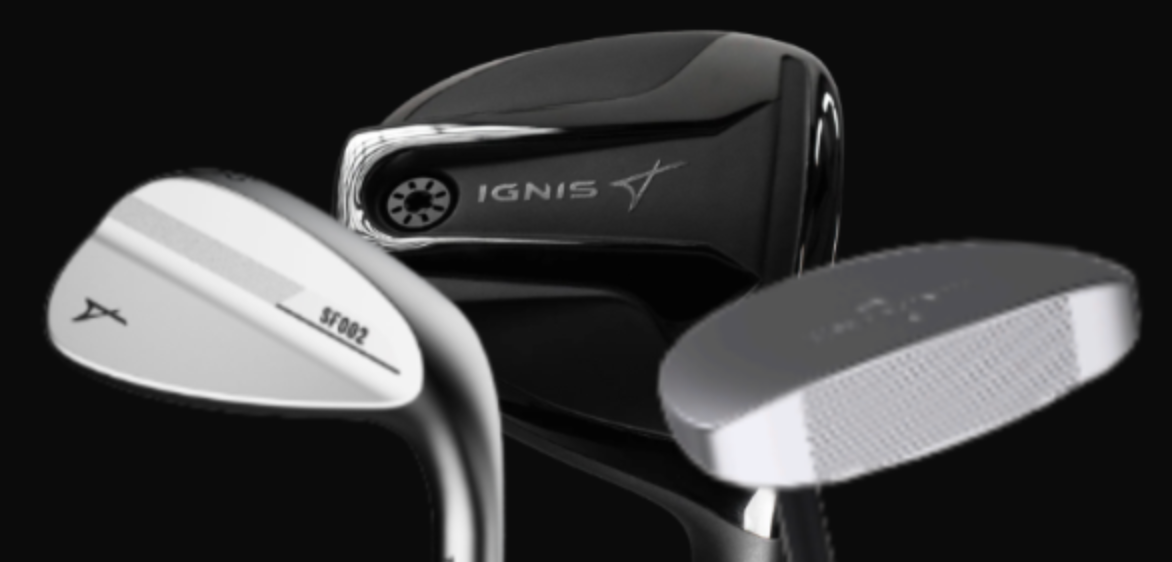
Takomo's IGNIS D2 fairway wood comes as a 5 wood built along these lines. It has 18 degrees of loft, a carbon crown that lowers the center of gravity for an easier launch, and a higher-launching shaft option in a softer A-flex (senior). It's made for mid- to high-handicap golfers, and in a TrackMan test of the D2 woods, the 5 wood kept the ball in the air even on a big toe strike.
What to Add Once Your 5 Wood Is Working
A 7 wood is a natural first partner, since its extra loft gets the ball up from light rough more easily than a 5 wood. For the average golfer, the 5 wood vs 7 wood distance gap is about 10 yards, so the 7 wood picks up the shots just short of your 5 wood. A 5 hybrid does a similar job and covers about the same yardage as a 5 iron, so it's worth a look if your home course has heavy rough.
The 3 wood can wait longer. Its lower loft and longer shaft ask for more speed and cleaner contact, so it's worth a try once you hit your 5 wood cleanly most of the time.
Make the 5 Wood Your First Fairway Wood
A beginner doesn't need to earn a 5 wood. Its loft, length, and wide sole work for a developing swing, making it one of the most useful long clubs a new golfer can carry.
Let it handle your long shots while your contact improves. If you're picking your first one, the IGNIS D2 fairway wood is a forgiving place to start.
FAQs About 5 Woods for Beginners
Can You Adjust the Loft on a 5 Wood?
Yes, on many modern 5 woods. An adjustable sleeve usually moves loft up or down by one to two degrees, and some settings also make the lie flatter or more upright.
What Club Does a 5 Wood Replace?
Usually the 3 iron, which most modern iron sets no longer include. In a set that starts at the 4 iron, the 5 wood covers the longer shots above it, so both clubs have a job.
Does a Beginner Still Need a Driver With a 5 Wood?
Yes, in most cases. A teed-up driver with 10.5 degrees of loft or more is easier to launch than it looks, so it's worth learning alongside the 5 wood.


