



Key Takeaways
- You can start playing golf for $100 to $200 with used equipment and public course green fees. Premium gear is not a prerequisite.
- Learn fundamentals first (grip, stance, posture, balance) at a driving range before stepping onto a full course.
- Progress logically: range, then a par-3 course, then 9 holes, then 18. Don't skip steps if you want to get better at golf.
- Communities like r/golf on Reddit are genuinely beginner-friendly; use them for advice, swing feedback, and course recommendations.
- For UK readers, getting into Monty Golf without a party pass is possible for certain open sessions. Always check the venue's official website for current entry requirements before visiting.
- A professional playing career is rare, but it exists and it's worth knowing.
Figuring out how to get into golf without torching your savings comes down to three things: borrowed or used clubs, a public course, and a little patience at the driving range. Golf has a reputation for being expensive and exclusive, but it doesn't have to be either. With that approach, you can start playing for under $200 and actually enjoy it.
How to Get Into Golf: Breaking Down the Barriers
Getting into golf feels intimidating until you realize that more than 48 million Americans play it, and they're not all retired CEOs in pastel trousers. Golf is played by teenagers, retirees, weekend warriors, and complete beginners who've never held a club in their lives. The barriers feel real, but most of them aren't.
The biggest myth is that golf has to cost a fortune. A lot of new gear is priced higher than it needs to be, but getting started doesn’t require a $1,600 iron set, a private club membership, or a new wardrobe. Driving ranges, par-3 courses, and indoor simulators let you learn the game for the price of a bucket of balls or an hour in a bay. And when you’re ready for your own clubs, good performance doesn’t have to come with a big-brand price tag.
The second myth is that you need to be athletic or coordinated. You don't. Golf rewards patience and repetition more than raw physical ability.
What you do get: fresh air, a genuinely social experience (or a quiet solo walk, depending on your preference), measurable improvement over time, and a game you can play for decades. Participation has been climbing since the pandemic and hasn't slowed. If you've been curious, now is a fine time to find out what the fuss is about.
How Much Does It Cost to Get Into Golf?
The honest answer to how much it costs to get into golf is: as little or as much as you decide. Most beginners dramatically overspend because they buy full retail sets before they know if they'll stick with it. Don't do that.
Median household income was $83,730 in 2024, according to the Census Bureau. At that income level, golf is an achievable hobby, if you approach it sensibly rather than walking straight into a pro shop and buying everything new.
Here are three realistic budget tiers for getting started with golf:
- Under $200 (Budget): Used half-set, balls, glove, soft-spike shoes from a thrift or sporting goods store. Totally viable.
- $200 to $500 (Mid-range): Entry-level new clubs or a quality used set, a few lessons, a basic stand bag, and green fees at public courses.
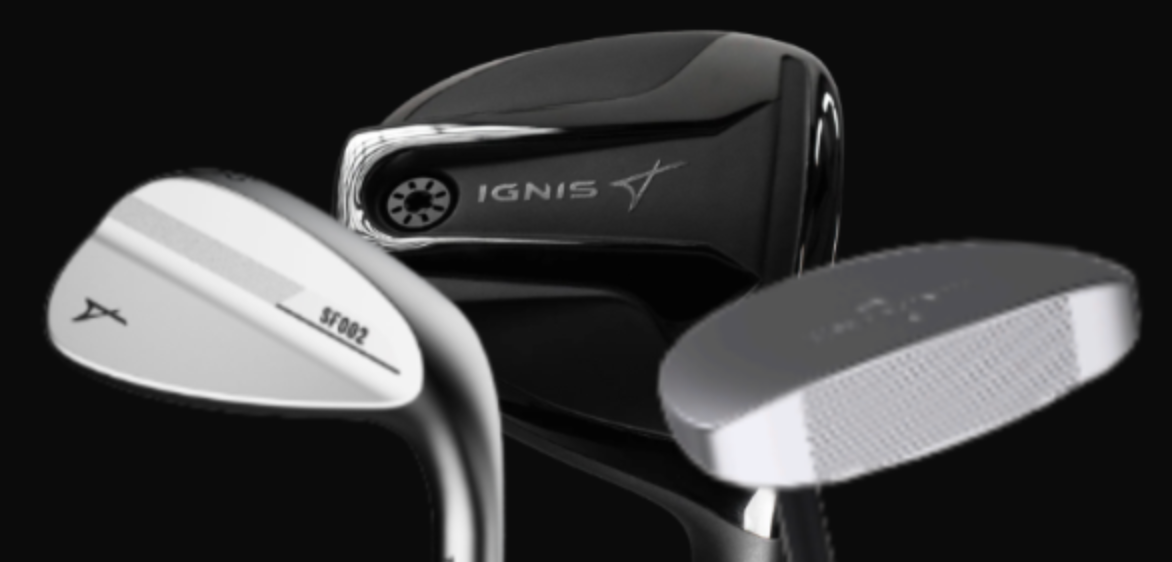
- $1,000+ (Invested): For when you know you’re sticking with it. A full iron set, a couple of wedges, a driver, and a putter, all new, plus a season pass or membership if you’re playing every week. We make every club on that list, including the IGNIS D2 Driver, if you’d rather build the bag in one place.
Start playing golf without a full 14-club set. A 7 to 9 club starter set covers everything a beginner needs: a driver, a few irons, a wedge, and a putter. That's it.
Your Beginner Gear Shopping List

Realistic entry costs for a first-time golfer:
- Used starter set or half-set: $50 to $150
- Golf balls (a sleeve or budget dozen): $10 to $20
- Golf glove: $8 to $15
- Used soft-spike shoes: $30 to $80
- Green fees at a municipal or public course: $15 to $40 per round
Total entry cost: roughly $100 to $300, depending on how much you buy used.
That’s the cheapest way in, and it works. The trade-off is that used clubs are a gamble: worn grooves, tired grips, and specs set up for whoever owned them before you. And once you move past bargain-bin sets into decent used irons, the gap to new gets smaller than most people expect. Our 101 MKII set is $579 brand new, built specifically for beginners, and comes with a warranty instead of someone else’s swing habits baked into the lie angles.
Learning How to Golf: The Fundamentals You Need First
Learning how to golf well starts before your first full round, with the basics: grip, stance, posture, and balance. Get those four things roughly right and you'll hit the ball. Get them wrong and no amount of expensive equipment will help.
Here's how to get started with golf in a logical sequence:
- Driving range: learn your swing, no pressure, unlimited attempts
- Par-3 course: short holes, real course conditions, forgiving distances
- 9-hole round: a proper round without the full 18-hole commitment
- 18-hole round: now you're a golfer
Getting into golf as a beginner through group lessons is the most cost-effective way to accelerate your progress. Group sessions cost a fraction of private lessons and cover the same fundamentals. YouTube tutorials and golf swing apps are solid supplements, but nothing replaces a real instructor catching your grip issues in person.
You don't need a golf handicap to start playing. A handicap becomes useful later when you want to compete or track your progress against a benchmark, but for your first dozen rounds, it's irrelevant. Focus on contact and fun first.
What to Expect on Your First Real Round
Your first round will be messy. That's completely normal, and every golfer who's ever played one knows it.
A few basics that'll stop you embarrassing yourself:
- Keep pace with the group ahead, not behind. If you're slow, wave faster groups through.
- Repair your divots and ball marks on the green.
- Stay quiet and still when others are swinging.
- If a hole is destroying you, pick your ball up and move on. No shame in a max out; it keeps everyone's round moving.
On dress code: most courses expect a collared polo shirt and tailored shorts or trousers. Avoid denim, athletic shorts, and sleeveless shirts. Soft-spike golf shoes are ideal, though many public courses tolerate clean athletic trainers for beginners.
Getting the Right Gear Without Breaking the Bank
Starting your golf journey with the right gear doesn't mean expensive gear. It means appropriate gear for where you are as a player.
For beginners, that translates to:
- Irons: Forgiving, game-improvement irons with a wide sole and a large sweet spot, like Takomo's 101 MKII, named Best Game-Improvement Iron of 2026 by MyGolfSpy. They hold their ball speed on off-center hits, which every beginner hits constantly.
- Driver: A higher-lofted driver (10.5° or more) makes it easier to get the ball airborne. The IGNIS D2 Driver is built around exactly that kind of forgiveness, and it doesn't cost tour-player money.
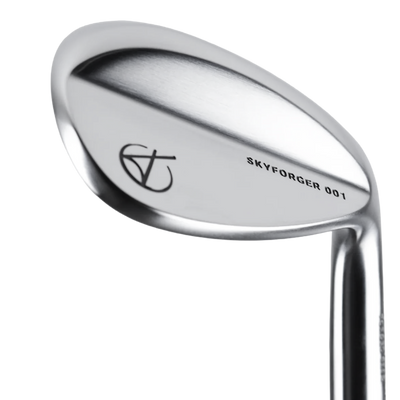
- Wedge: Beginners constantly underestimate wedge play. A reliable gap or sand wedge will save you more shots than an upgrade to your irons, so it's worth getting right before you spend on anything else.
- Putter: A basic mallet putter. Don't spend big here until you know your stroke.
What not to buy early: tour-style muscle-back blades, a low-lofted 9.5° driver you'll top constantly, or a cart bag if you want flexibility to walk. Basic fitting still matters even at the beginner stage: shaft flex and grip size affect how the club behaves in your hands. Many shops will do a free 10-minute fitting with any purchase.
How to Find Your Golf Community (and Why It Matters)

Golf is far more social than its stuffy reputation suggests, and finding your community early makes the learning curve feel much shorter.
For beginners wondering how to get into golf Reddit-style: the r/golf and r/golfswing subreddits are genuinely welcoming spaces. Ask a basic question on either and you'll get thoughtful answers without the condescension you might expect. These communities are particularly good for gear questions, swing video feedback, and finding out what local courses people actually recommend.
Beyond Reddit, here are practical ways to connect with the golf community:
- Join a beginner's program at a local public course; many run them specifically for new players
- Enter a charity scramble event. Scramble format means your bad shots don't tank the team
- Join a casual weeknight league for low pressure and consistent playing partners
- Try a golf simulator venue: year-round, social, and increasingly affordable
Most golfers improve fastest when they play with people slightly better than them. Don't be intimidated by playing with more experienced golfers. Most genuinely enjoy helping beginners and will offer tips freely if you're receptive.
Can You Go Pro? How to Get Into Professional Golf

The professional golf pathway is extremely narrow, but it exists, and it's worth understanding honestly.
How to get into professional golf follows a fairly standard progression:
- Build a strong amateur record with a low handicap index
- Compete in regional and national amateur events
- Pursue a college golf scholarship through NCAA programs; Division I golf is a legitimate pipeline to professional play
- Attempt PGA Tour Qualifying School (Q-School), which grants playing status on developmental tours
- Develop through the Korn Ferry Tour, PGA Tour Canada, or mini-tours before earning full PGA Tour status
The odds are steep. Hundreds of talented golfers attempt Q-School annually, and very few reach the main tour.
Ready to Start Playing?
You don't need a full set, a club membership, or anything close to retail price to get into golf and actually enjoy it. Borrow what you can, pick a budget tier that fits your bank account, and get your fundamentals right before you upgrade anything.
Ready to find out what you actually need? Takomo's fitting tool takes four minutes and points you toward a driver, irons, and wedge that fit where you're at right now, no upselling required. Start smart. Swing often.
FAQs About How to Get Into Golf
How do I get into golf as a complete beginner?
Start at a local driving range to develop a basic swing before playing a real course. Take a beginner group lesson if you can; it shortens the learning curve considerably. Borrow or buy a used half-set of clubs, and progress from par-3 courses to 9-hole rounds before attempting 18 holes. Focus on grip, stance, and posture before worrying about scoring.
How much does it cost to get into golf as a beginner?
You can get started for $100 to $200. A used beginner club set runs $50 to $150, balls and a glove cost around $20 to $30, and green fees at a public or municipal course are typically $15 to $40 per round. You don't need new or premium equipment when you're just starting out: buy used, play often, upgrade later.
Do I need a golf handicap to start playing?
No. Beginners don't need a handicap to enjoy golf. A handicap index becomes useful once you want to enter competitions or track your improvement against a consistent benchmark. You can play driving ranges, par-3 courses, and casual rounds indefinitely without one.
What should I wear for my first round of golf?
Most courses require a collared polo shirt and tailored shorts, trousers, or golf-appropriate skorts. Avoid denim, logo-heavy athletic shorts, and sleeveless shirts at most clubs. Soft-spike golf shoes are ideal, though many public courses will accept clean, supportive athletic trainers for new players.


